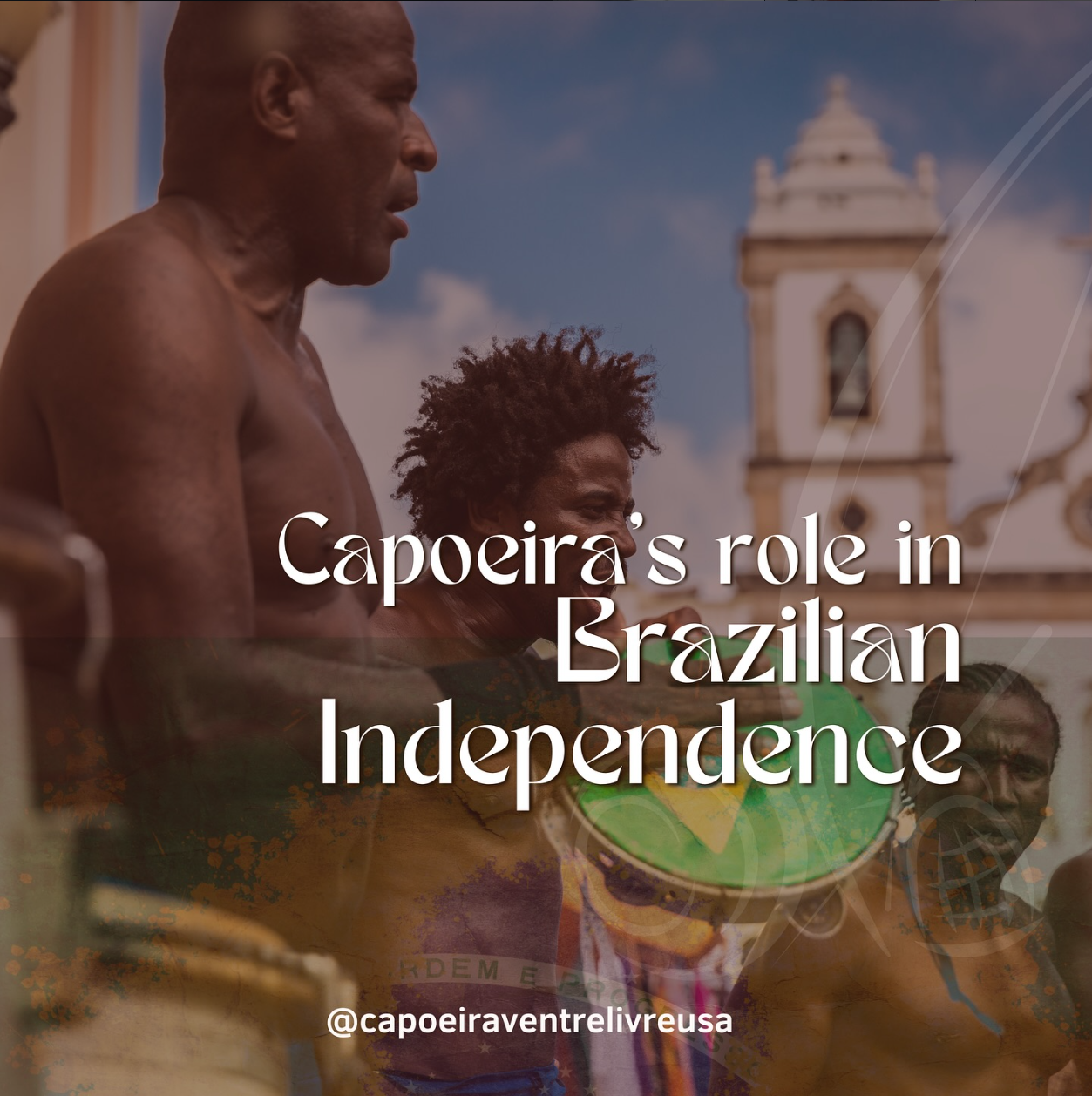
Capoeira played a significant role in Brazil's struggle for independence. As a form of resistance, Capoeira was practiced by enslaved Africans who used it to prepare for rebellion and escape from oppression. It provided a means of self-defense and a way to preserve their culture and spirit amidst adversity.
The Quilombos
Throughout Brazil's colonial period, enslaved Africans escaped to form quilombos — independent settlements in the wilderness. The most famous was Palmares, which at its height had over 20,000 residents and survived for nearly a century. Capoeira was practiced in these communities as both training and cultural preservation.
Zumbi dos Palmares, who led Palmares in its final decades, has become a symbol of resistance. His image is often invoked in capoeira songs, connecting present-day practitioners to this legacy of freedom fighting.
Banned and Practiced in Secret
After slavery was abolished in 1888, capoeira was explicitly banned by the Brazilian government. The 1890 Penal Code made practice punishable by imprisonment. This wasn't just about controlling a martial art — it was about suppressing Black Brazilian culture.
Despite the ban, capoeira survived. Practitioners trained in secret, used code words, and developed the musical disguise that helped hide the martial content. When police approached, the game could quickly become something that looked more like dance.
The Name Ventre Livre
"Ventre Livre" means "Free Belly" in Portuguese. It refers to the Lei do Ventre Livre (Law of the Free Womb), an 1871 Brazilian law that declared children born to enslaved mothers would be free. This was a step toward abolition — imperfect, gradual, but a step.
Our school carries this name to honor that history. Every practice at ACVL is connected to the centuries-long struggle for freedom that created capoeira. We don't just teach movements — we teach where they came from and what they mean.
Living History
When students learn capoeira, they're not learning an ancient relic. They're participating in a living tradition that carries forward the resistance spirit of enslaved Africans, the survival instincts of the quilombo warriors, and the cultural pride of generations who refused to let their art die.
Follow us on Instagram
@capoeiraventrelivreusa